Unexpectedly Smart Ways to Tame Laser Cutter Fumes: A Comparative Look
Introduction
I remember the first time I stood beside a busy workshop, watching sheets of metal hiss and glow under a laser—there was smoke, a sharp smell, and a steady worry on everyone’s face. In that little moment I decided to learn more, because a laser cutter fume extractor is not just a box; it’s the difference between a healthy shop and a hidden hazard. Recent surveys say small fabrication shops report respiratory irritation in up to 40% of staff after routine metal cutting—so what do we do about it? (Ayubowan—we need sensible fixes, not just gadgets.)
I’ll keep this plain: I want to share what I’ve seen work, and what trips people up. I’ll mention some practical numbers, like typical capture velocities and how HEPA capture rates matter, but I’ll keep it simple. By the end you’ll have a sense of where mistakes hide, and where the best value lies. Now, let’s move from that workshop scene into the core problems that keep cropping up.
 Traditional Flaws in Metal Cutting Fume Extraction
Why do older systems fail so often?
When we talk about metal cutting fume extraction, I find people expect a single fan and a filter to solve everything. That’s optimistic. Old setups rely on undersized fans, poor duct runs, and dated filters like low-grade carbon pads. The result: uneven airflow, re-entrainment of particles, and relentless maintenance. I’ve inspected units where airflow rates dropped by half within months because filter seals were poor—so capture velocity falls and fumes escape. Look, it’s simpler than you think: if you can smell it at the operator’s breathing zone, the system isn’t doing its job.
Technically, common flaws include inadequate capture hood design, long duct runs that create backpressure, and wrong filter sequencing—pre-filtering missing before HEPA, or over-reliance on activated carbon without addressing particulates first. We also see electrical mismatches: power converters sized for older motors, not modern variable-speed drives, which leads to noisy, inefficient fans. Finally, monitoring tends to be absent—no airflow sensors, no alarm thresholds (we need those edge computing nodes for smart feedback). These are fixable. I’ve written maintenance checklists that cut reactive repairs by half, and honestly, a little design effort up front saves a lot of headaches later.
New Technology Principles and a Forward-Looking Comparison
What’s next for better extraction?
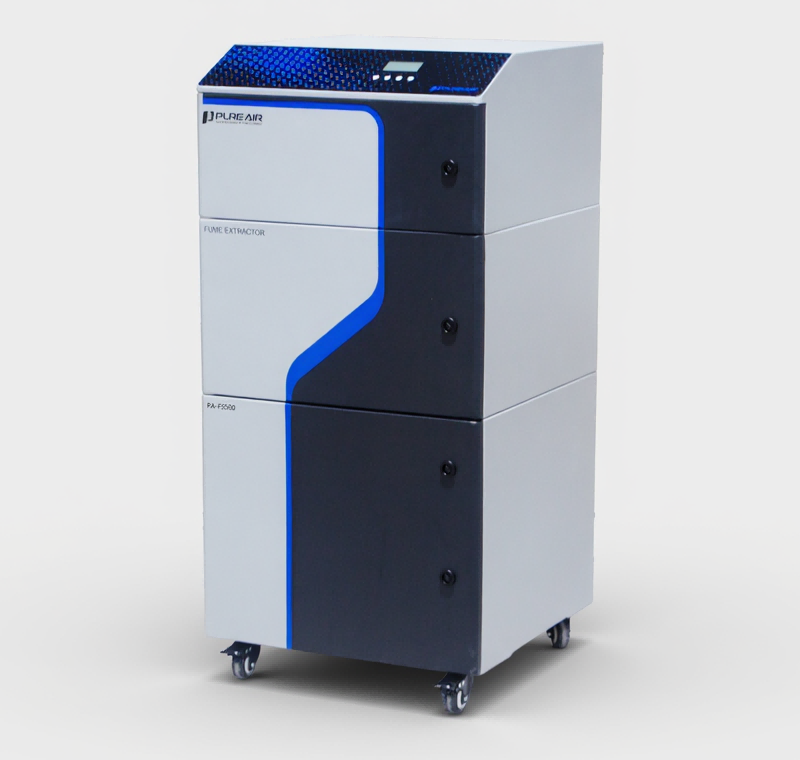
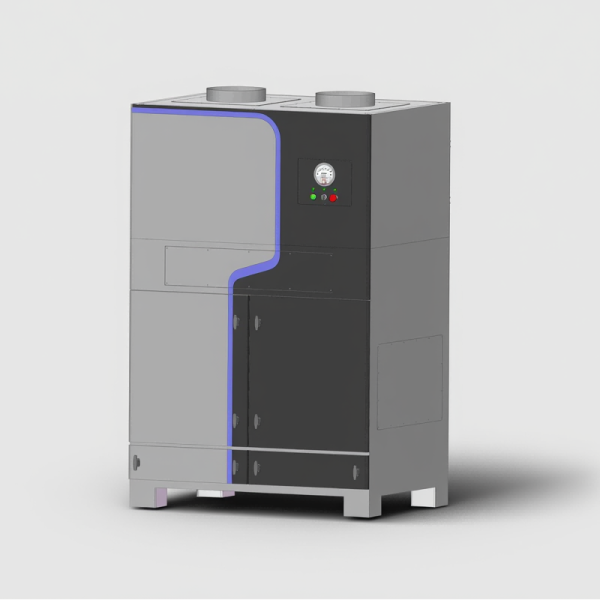
Moving forward, I’m excited about systems that combine smart sensing with proper physical design. Modern metal cutting fume extraction setups use staged filtration—cyclonic or pre-filters, then HEPA, then activated carbon—paired with digital controls. That means variable-speed fans that adjust to the task, airflow meters that report capture velocity in real time, and simple displays that tell operators when to change a filter. We’re also seeing onboard diagnostics and the occasional edge computing node that flags inefficiencies before they become hazards. It’s practical, and yes—kind of satisfying to watch a well-tuned system hum along.
Compare that to older systems and the gains are clear: lower energy use from smarter fans, longer filter life through proper sequencing, and much better indoor air quality. I don’t want to oversell it — there’s cost up front — but the measurable outcomes (lower particulate counts, fewer sick days, less cleanup) justify the investment for most shops. — funny how that works, right? Finally, when choosing a system, I recommend you focus on three key evaluation metrics: capture velocity at the hood, total system CADR (clean air delivery rate), and real-time monitoring capabilities. If a supplier can’t show those, walk away.
We’ve covered the problems, the tech fixes, and the practical metrics. I’ve seen good solutions and poor ones; I’ll always pick a sensible, monitored system over a cheap fan every time. For reliable options and deeper specs, check out PURE-AIR — they’ve built practical machines that match these principles and make life easier in the shop.