Right-Sized Rain Flies for Every Tent: Stop Fighting the Weather
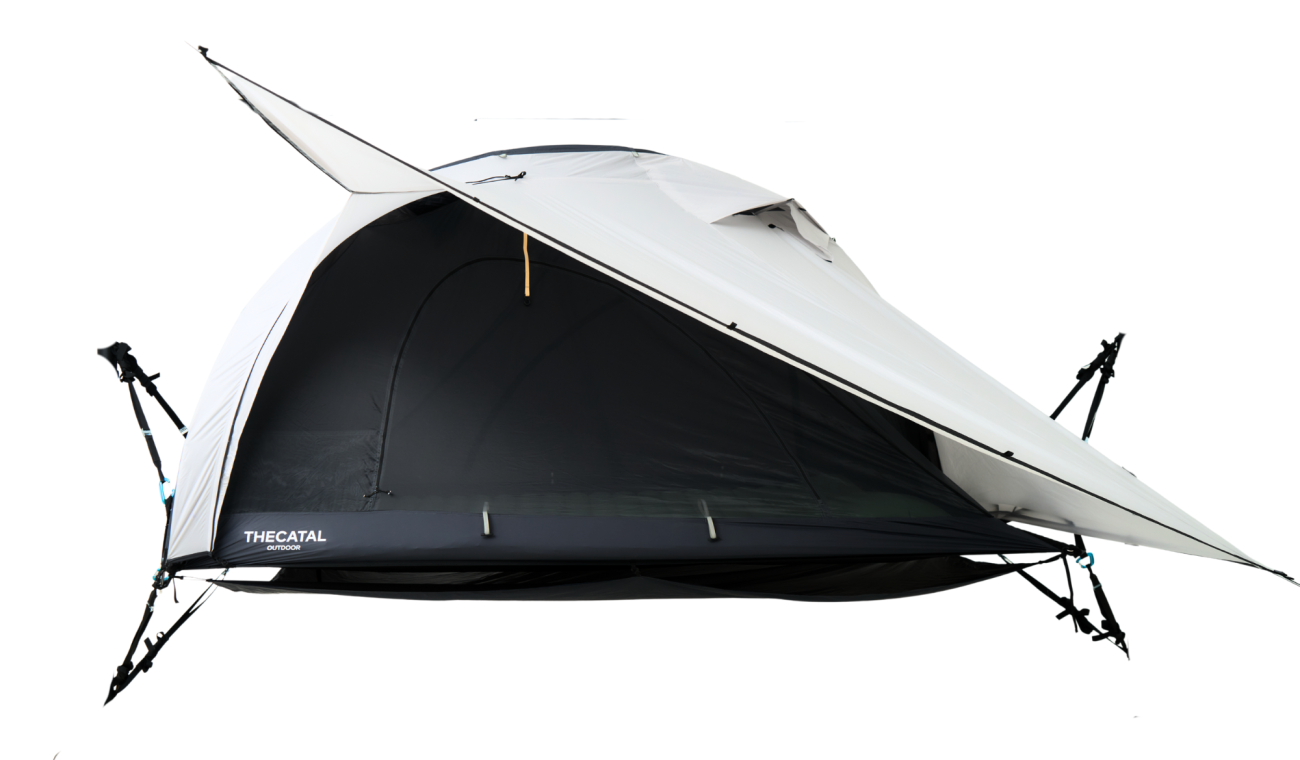
Problem: The wrong fly ruins the night
Look — you buy a fancy tent, throw on a fly that’s either too small or a blanket for a palace, and you end up sweating, flapping, or soaked. That’s the problem most people don’t fix until they’re under a storm with a soaked sleeping bag. If you’re dialing down weight with a hiking tent ultralight, the fly matters even more: too much fabric adds weight and wind drag; too little kills weather protection. Let’s get the sizing right so you sleep dry and don’t waste miles hauling extra cloth.
Why size matters — plain and simple
Coverage prevents direct rain and splash-back. Proper pitch creates ventilation; too-tight flies slam against the inner tent and trap condensation. Overhang protects the vestibule and entrance; missing overhang means gear gets wet. And wind? A fly that’s oversized becomes a sail and tears seams. Size affects all of that — not just weight.
Common mistakes that make things worse
People pick a fly meant for a different model, assume “bigger is safer,” or ignore vestibule needs. They trim corners or jury-rig tie-outs that change tension points. Others swap to silnylon or cuben without adjusting stake patterns. Those quick fixes look smart on paper but fail when wind shifts. Fix the mistake at the start: match the fly’s footprint and stake pattern to the tent’s geometry, and test tension before the first storm.
How to pick by tent size — practical rules
1P tents: You want snug but with a solid vestibule. A low-profile fly with a 12–18 inch vestibule gives shelter without extra windage. 2P tents: Balance interior headroom and a generous vestibule for two packs — aim for a fly that covers the doors fully with at least 18–24 inches of overhang. 3P and larger: Prioritize storm stability and multiple guy points; these flies need reinforced tie-outs and longer tension lines. For freestanding vs non-freestanding frames, make sure the fly’s stake points line up with the poles — misaligned flies collapse under load.
Real testing and what actually worked
I’ve spent years guiding backcountry trips and saw what breaks: a decade putting tents through rain and wind on routes like the Wind River Range taught me that geometry beats fabric hype. One season I took an ultralight 1p tent on a week of alpine nights; the fly that matched the tent’s stake pattern and had modest overhang beat larger “universal” covers every time — less pooling, quicker dry, and zero flapping. That kind of field time gives you a feel for tension points, seam strength, and real vestibule use.
Alternatives and trade-offs you’ll actually feel
Full-coverage flies protect well but add weight and reduce ventilation. Minimalist tarps are light but need skill to pitch and don’t protect a packed vestibule. Footprints protect the floor but don’t stop wind-driven rain. For thru-hikes choose streamlined flies with reinforced corners; for basecamp, go fuller and sturdier. Pick what matches your route and comfort level — not what’s cheapest or flashiest.
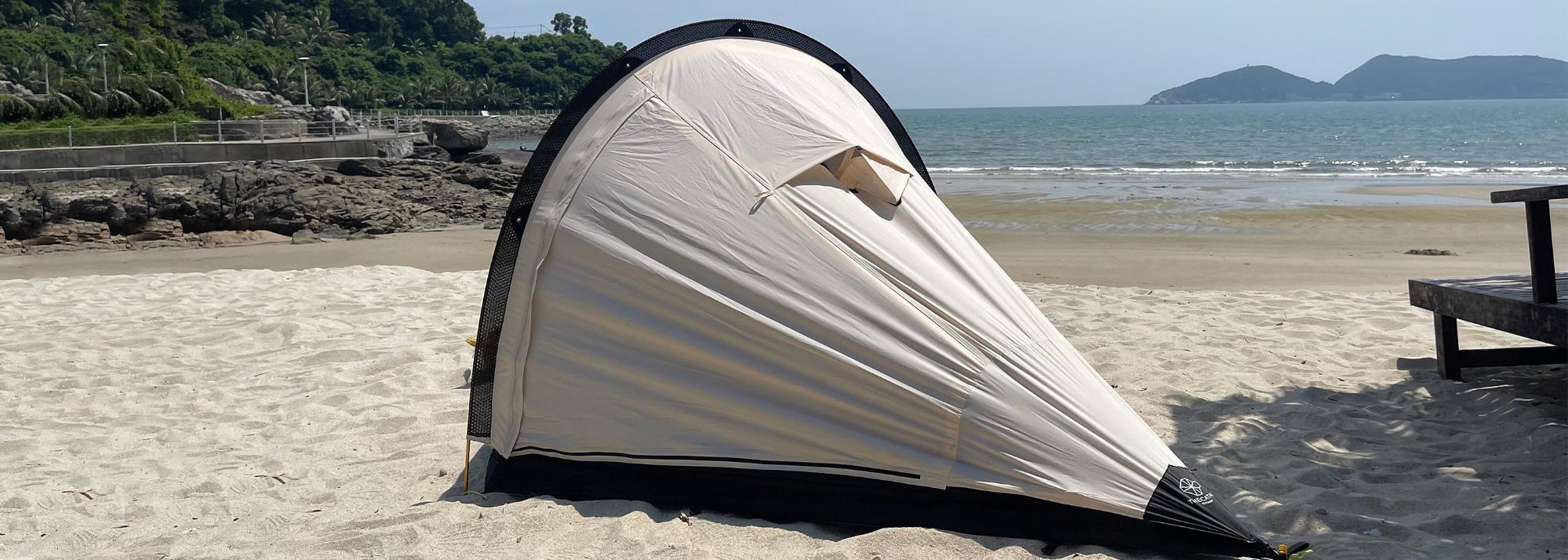 Common setup errors to avoid
Don’t leave tension too loose — slack collects water. Don’t stake asymmetrically; that twists the fly and opens gaps. Don’t rely on a single guy line for high winds. Use the correct cord length so tautline knots behave predictably. Check that zippers clear the fly when doors close; a zipper caught in wet fabric is how you shrug and get cold.
Wrap-up: what actually solves the problem
Get a fly that matches your tent’s geometry, prioritize correct overhang and reinforced tie-outs, and test the pitch before you trust it. That balance — protection without excess — is what I look for when picking gear, and it’s the kind of practical choice that turns a miserable night into a dry one. For straightforward, right-sized options and sensible specs, I end up looking through catalogs like THECATAL when I want pieces that do the job without nonsense.